Personal Statement
Tristan Heusser — Engineering Science, University of Toronto
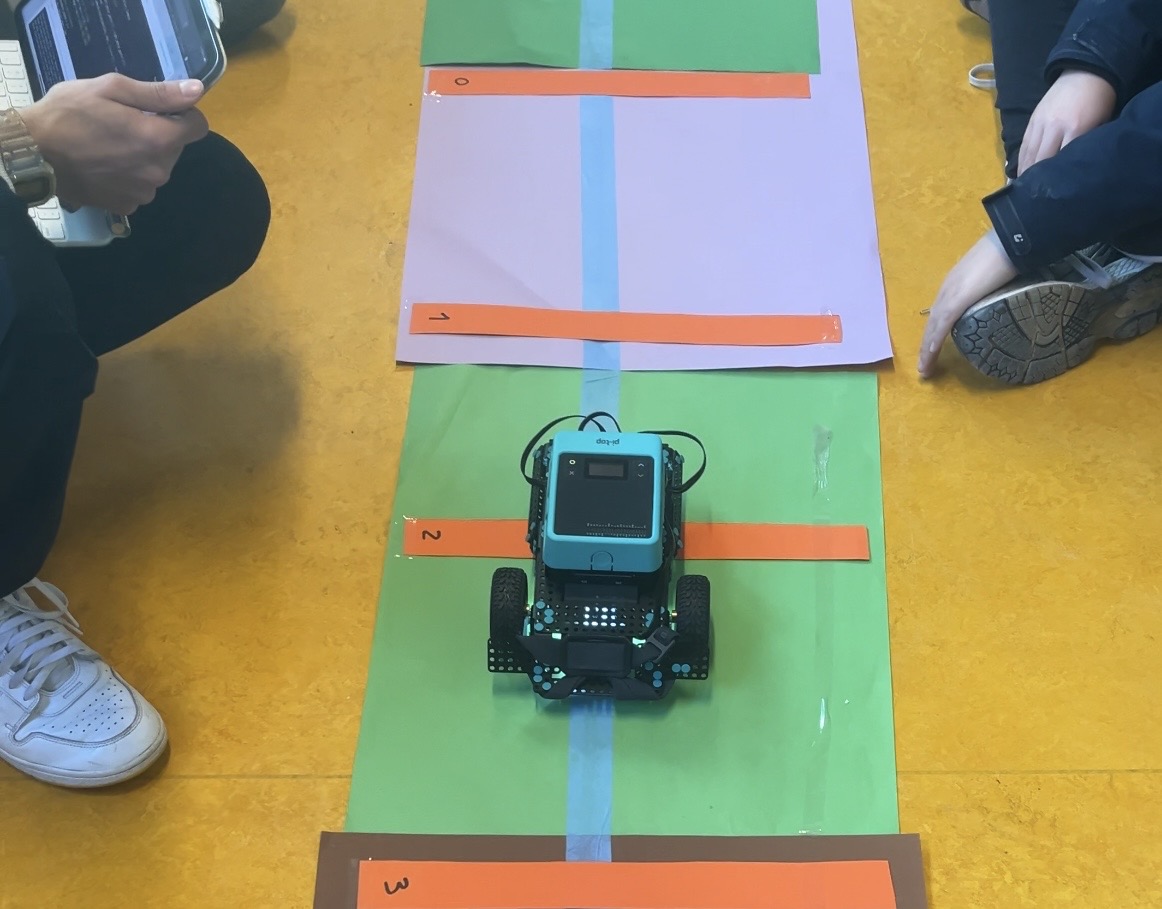
4 min readI was running a robotics workshop I'd designed for middle schoolers, teaching them to program a robot to follow a numbered line. I placed the rover down to demonstrate. Instead of stopping at number 3 like it was supposed to, it kept driving. In my mind I was racing through possibilities: sensor malfunction? logic error? But I stayed calm in front of the middle schoolers watching. The issue was my code couldn't distinguish the orange line markings from the similarly colored orange floor beneath. I added strips of different colored paper underneath the line, and within minutes, the rover worked perfectly.
I don't design for perfect conditions. I design knowing my assumptions may fail, and I stay composed enough to adapt when they do.
That workshop taught me something crucial: real-world constraints aren't obstacles—they're where actual engineering happens.
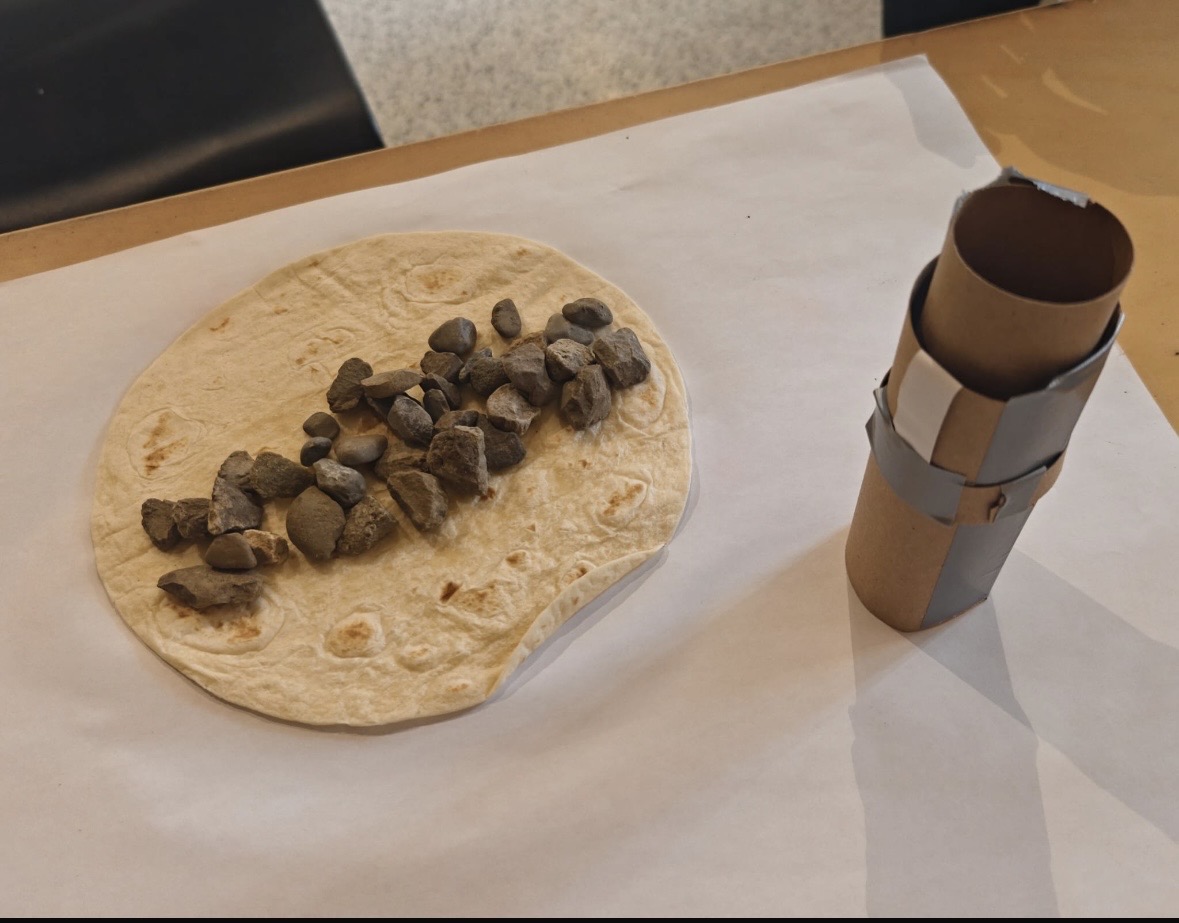
My approach to engineering design starts with noticing the world around me and connecting various ideas. During Praxis I, when my team needed to test our food wrap container prototype, we faced a dilemma: testing would require purchasing dozens of wraps, creating massive waste. I suggested we artificially create the wraps instead by using rocks to mimic chunky food, oobleck to mimic viscous sauce. This saved over 10 wraps while still allowing accurate testing. This same observational thinking led to our "Banana-Sombrero" design. Earlier that day, I'd eaten a banana at breakfast. During our brainstorming session, I remembered how simply the peel opened, and combined that with a sombrero-shaped support structure for the wrap. The connection seemed obvious once I made it, but it came from observing seemingly unimportant details.
I'm also committed to sharing ideas freely, shaped by my experience as first violin in my high school orchestra. I started playing at two years old, and violin became my first form of creative expression as it offered a space where I felt completely free to experiment. That same openness shapes how I collaborate in engineering. If I have an idea, no matter how unconventional it sounds, I share it without fear of being judged. The banana-sombrero concept may seem ridiculous, but these wild ideas are how innovation happens. I aim to build that same freedom into every team I work with.
Lastly, I believe engineering design benefits from hands-on iteration rather than relying solely on theory. In Praxis I, my team arranged longer work sessions at Robarts Commons and prototyped extensively in MyFab. These extended periods let us develop each strand of FDCR cohesively. More importantly, prototyping taught me that not every idea works and all solutions involve sacrifices. You can't know what will fail until you build it, test it, and watch it break.
My grandfather, a respected mathematics tutor, shaped how I think about the purpose of engineering. He helped countless struggling students reach university, and taught me that legacy isn't about personal achievement; it's about lifting others up. This drives my approach to design. I focus on solutions that positively impact people's lives. The wrap container wasn't about technical complexity, it was about helping students eat comfortably while studying. The robotics workshop was about making programming accessible and engaging for middle schoolers. I'm not trying to solve abstract problems—I'm trying to improve the lives of those around me.
Legacy isn't about personal achievement; it's about lifting others up.
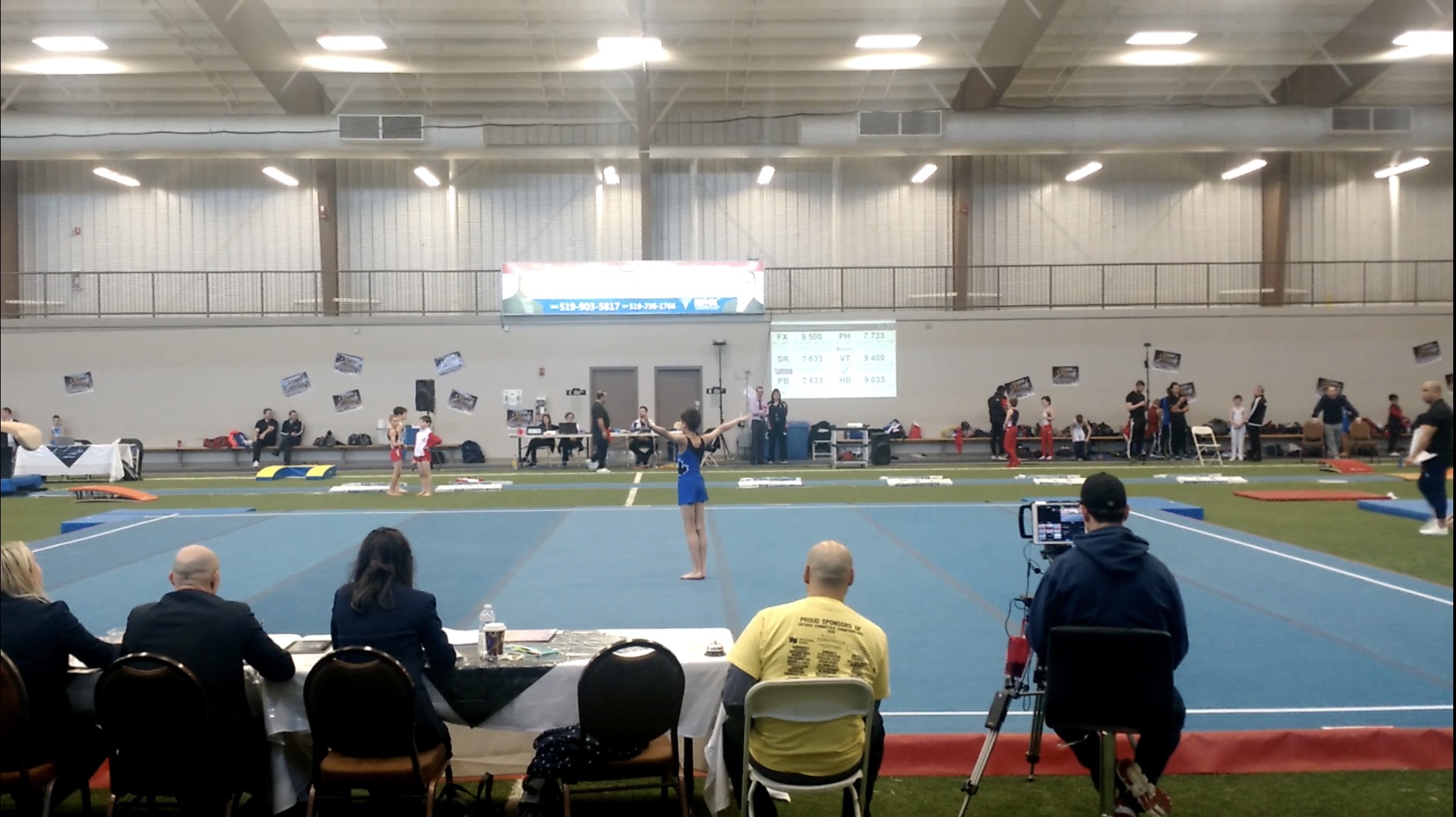
From a young age, competitive gymnastics instilled discipline and a high standard for my work. I trained rigorously, eventually winning the 2018 provincial championship for my age group, and that same standard carries into my engineering work. I don't submit designs until I'm satisfied with them, even if it means working closer to deadlines. I do this because I respect the people who will use what I create. If I'm designing something for real users, it needs to work well, not just work quickly.
I used to think the world was black-and-white, with simple answers to every problem. Praxis I changed that. I realized not every idea works, and that design constraints like cost, sustainability, and accessibility limit what's possible. I learned about DfX tradeoffs and how much complexity hides beneath the surface of any solution. Engineering isn't about finding the "right" answer, it's about navigating constraints with the right values and mindset.
Moving forward, I'm still figuring out how to apply the things I'm learning. I feel like I've absorbed so much theoretical knowledge, but haven't had enough chances to use it in messy, real-world contexts. That's what excites me about future projects; each one makes me feel stronger in my abilities and provides real satisfaction when it benefits the people around me. My position will keep evolving as I gain more experience, but my value of lifting others up through thoughtful design will remain constant.